Bridge Street Bridge
Essex County / Hudson County
Final Design (FD) Phase
City of Newark and Town of Harrison, NJ

About the Project

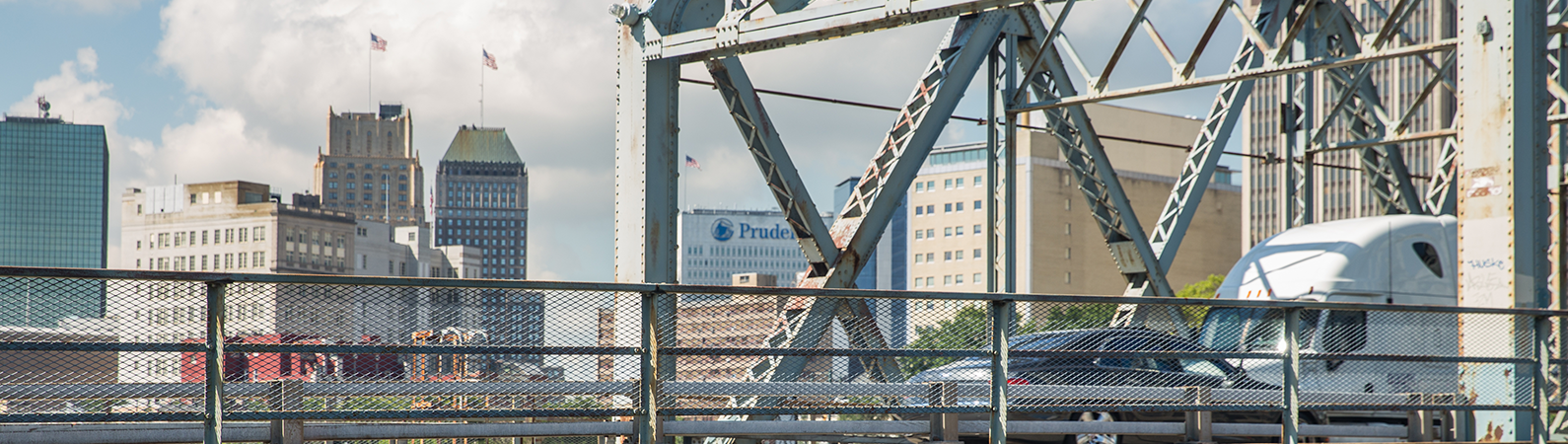
Essex County and Hudson County are progressing through NJTPA’s Local Project Delivery Process to plan and advance the replacement of the existing Bridge Street Bridge over the Passaic River, which serves as an important transportation connection for residents and commuters traveling to and from Newark’s downtown business district and surrounding neighborhoods. The bridge has been temporarily closed in recent years for structural and mechanical repairs. Due to its age, the bridge has deteriorated over time, and routine maintenance can no longer adequately address these deficiencies.

The project has progressed beyond the Local Concept Development (LCD) and Local Preliminary Engineering (PE) phases and is currently in the Final Design (FD) phase. This project is federally funded.
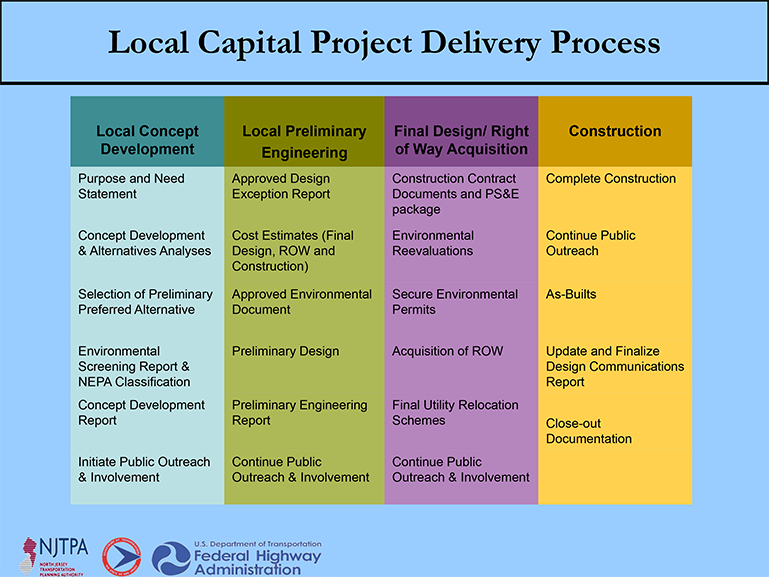
Local Capital Project Delivery (LCPD) Program (PDF – 23KB)

Final Design Phase Delivery

The Final Design (FD) Phase involves the preparation of complete construction documents, including detailed plans, specifications, and cost estimates for the selected alternative. The FD Phase advances the project toward construction by continuing and completing tasks started during the PE Phase, such as roadway design, bridge design, right-of-way and access engineering, environmental permits and clearances, risk management, and community outreach. Public and stakeholder coordination will continue to support final design development and implementation.

Key tasks during the Final Design Phase include:

  • Structure plans and contract documents
  • Roadway plans
  • Right-of-way engineering and right-of-way acquisitions
  • Environmental Plans
  • Environmental Permits
  • Utility Engineering

During the previous phases of this project, including Local Concept Development (LCD) and Local Preliminary Engineering (PE), a well-defined and well-justified Purpose and Need Statement was established, focusing on improving safety and replacing the existing crossing over the Passaic River. These phases included data collection; coordination with the New Jersey Department of Transportation (NJDOT), Federal Highway Administration (FHWA), community stakeholders, and permitting agencies; development and evaluation of conceptual alternatives; selection of a Preliminary Preferred Alternative (PPA); and investigation of key project considerations such as environmental impacts, right-of-way, access, utilities, design, community input, constructability, and cost. 

Project Overview

The existing bridge is in poor overall condition. Several factors contribute to this assessment:

Condition – The bridge is structurally deficient with its superstructure in poor physical condition with localized advanced section losses to most steel truss members, localized advanced section losses to floor beams and girders in the approach spans, and holed through truss gusset plates in the swing span. The substructure is in satisfactory condition. The bridge’s mechanical machinery and electrical system are in fair to poor condition and consist of new and obsolete devices and sub-systems that are nearing the end of their serviceable life.

Highway Safety – The bridge railings do not meet current crash and safety standards.

Public Safety – The bridge interlocking system is not is not in accordance with current acceptable standards.

Seismic – The bridge is susceptible to seismic forces and does not meet current seismic design standards.

NJTPA is administering the project, and the Federal Highway Administration (FHWA) provides funding. As a federally funded transportation project, the Bridge Street Bridge replacement is required to follow the National Environmental Policy Act (NEPA) process.

During the Local Preliminary Engineering (PE) Phase, environmental studies were completed to identify potential impacts and develop an environmental profile of the project. Alternatives were evaluated with the goal of avoiding or minimizing environmental impacts, and where impacts could not be avoided, appropriate mitigation measures were identified. Environmental resources considered included air quality, noise, hazardous or contaminated sites, parks, wetlands, water resources, social and economic factors, and cultural resources such as historic structures and facilities.

As a result of this process, a Categorical Exclusion Document (CED) was approved, allowing the project to advance into Final Design.

During the Final Design Phase, the project team is advancing required environmental permits and incorporating environmental commitments identified during the PE Phase into the final design and contract documents. NJDOT’s Bureau of Environmental Resources (BEPR) continues to provide oversight in coordination with NJTPA, Essex County, Hudson County, and permitting agencies such as NJDEP and NJSHPO.

Initiation of Final Design Phase: Spring 2026

Final Right-Of-Way Submission: Fall 2026

Final Design Submission: Fall 2027

Submission of Plans, Specifications, and Estimates (PS&E): Winter 2028

Continue Public Outreach & Involvement: Throughout Phase

Essex County, Hudson County and the cooperating agencies of NJTPA and NJDOT, are committed to developing transportation improvements that best balance transportation needs, the environment, community concerns and cost. As part of the Community Outreach effort, numerous meetings will be held to share project information, obtain input and broad based support for bridge improvements from the local officials, community stakeholders, and the general public.

During earlier phases of the project, stakeholders played a key role in helping to define the Project Purpose and Need, evaluate conceptual alternatives, identify potential concerns, and assist in the selection of the Preliminary Preferred Alternative (PPA).

During the Final Design Phase, community involvement is focused on keeping stakeholders informed, addressing questions related to the final design, and supporting coordination as the project advances toward construction.

Community Stakeholder Meeting, City of Harrison: Fall 2026

Community Stakeholder Meeting, City of Newark: Fall 2026

Public Information Meeting (PIM) No. 1, City of Harrison: Spring 2027

Public Information Meeting (PIM) No. 2, City of Newark: Spring 2027